
Hardest Tables in Miami: Skip the Scene, Go for the Substance
- Feb 2
- 4 min read
Miami has never struggled with visibility. What it has struggled with—until recently—is restraint.
For years, the city’s dining conversation revolved around flash: celebrity sightings, DJ booths, velvet ropes, and viral interiors. But beneath the noise, something quieter has been taking shape.
A group of restaurants where access is limited not by spectacle, but by demand, intention, and execution.

For ultra-high-net-worth diners, the hardest tables in Miami are no longer the loudest rooms. They’re the ones that prioritize craft, discretion, and experience over attention.
This guide explores the hardest reservations in Miami right now, why these restaurants matter heading into the next phase of Michelin Miami, and why many Prominato clients are increasingly choosing private dining in Miami as an alternative to the public scramble.
Why “Hardest Tables” Means Something Different in Miami
In cities like Tokyo or Paris, exclusivity is baked into the culture. In Miami, it has to be earned.
The restaurants that are hardest to get into today aren’t necessarily hiding behind doors or requiring introductions. Instead, they share three defining traits:
Limited seating or intentionally controlled volume
Chef-driven menus that resist mass appeal
A clientele that values privacy over visibility
Reservations disappear quickly not because of hype cycles, but because these restaurants are built to operate at a specific pace and scale.
For discerning diners, that restraint is the appeal.
What Are the Hardest Restaurants to Get Into in Miami?
Below are five Miami restaurants that consistently rank among the city’s most difficult reservations—not because they court exclusivity, but because they deliver substance.
These are the tables worth planning around.
1. Boia De - A Small Room with Outsized Influence
Boia De remains one of Miami’s most quietly influential restaurants. The space is intentionally

intimate, the menu is concise, and the execution is precise. Reservations are limited because capacity is limited—by design.
The cooking blends Italian foundations with modern technique, resulting in dishes that feel confident rather than experimental. Nothing is rushed. Nothing is diluted.
For UHNW diners, Boia De represents the type of Miami dining experience that rewards intention. It’s not about being seen. It’s about being present.
Why it’s hard to book: Small footprint, loyal repeat clientele, and a pace that does not bend to demand.
2. Cote Miami - Precision Dining Disguised as a Steakhouse
Cote Miami occupies a unique space in the city’s dining landscape. While often grouped with high-energy venues, the reality is far more disciplined. The experience is structured, ingredient-driven, and chef-led.

Behind the polished surface is a kitchen focused on sourcing, timing, and consistency. Tables fill
quickly because the experience works equally well for private celebrations, business dinners, and low-key evenings where discretion matters.
For Prominato clients, Cote represents a bridge between familiarity and refinement.
Why it’s hard to book:Broad appeal paired with a dining format that does not scale easily.
3. Stubborn Seed - Chef-Driven Dining Without Compromise
Stubborn Seed has long been one of Miami’s most respected chef-driven restaurants. The tasting menu format, combined with a focused dining room, creates a controlled experience that
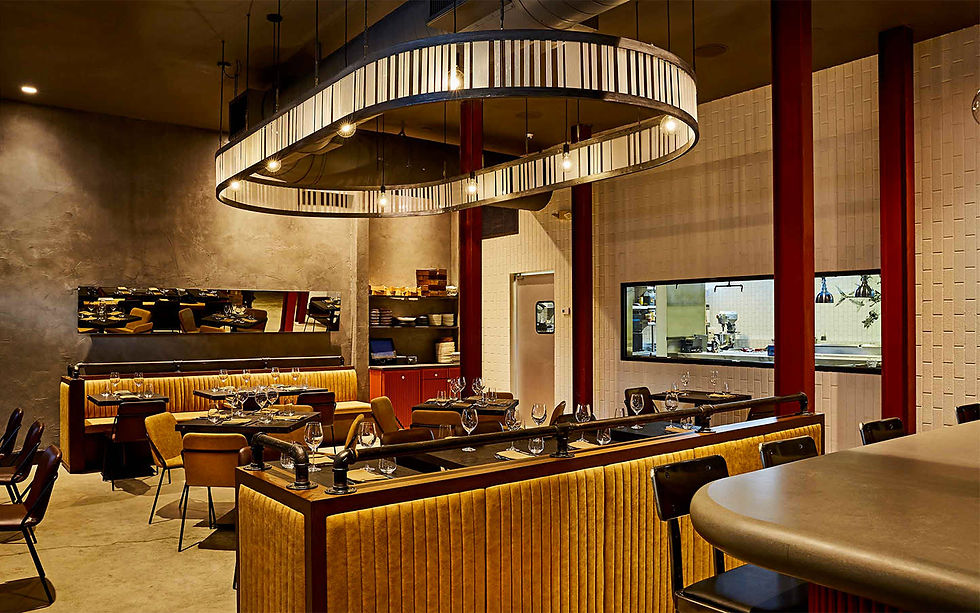
prioritizes food over theatrics.
Courses evolve regularly, drawing from seasonal ingredients and refined technique. The result is a meal that feels intentional from start to finish.
Reservations are limited not because of exclusivity theater, but because the restaurant is designed to execute at a specific level—every night.
Why it’s hard to book:Tasting-menu format, limited seating, and a clientele that returns repeatedly.
4. Los Félix - Ingredient-Driven Mexican Cuisine with Integrity
Los Félix has become one of the most talked-about restaurants in Miami for a reason. The menu is
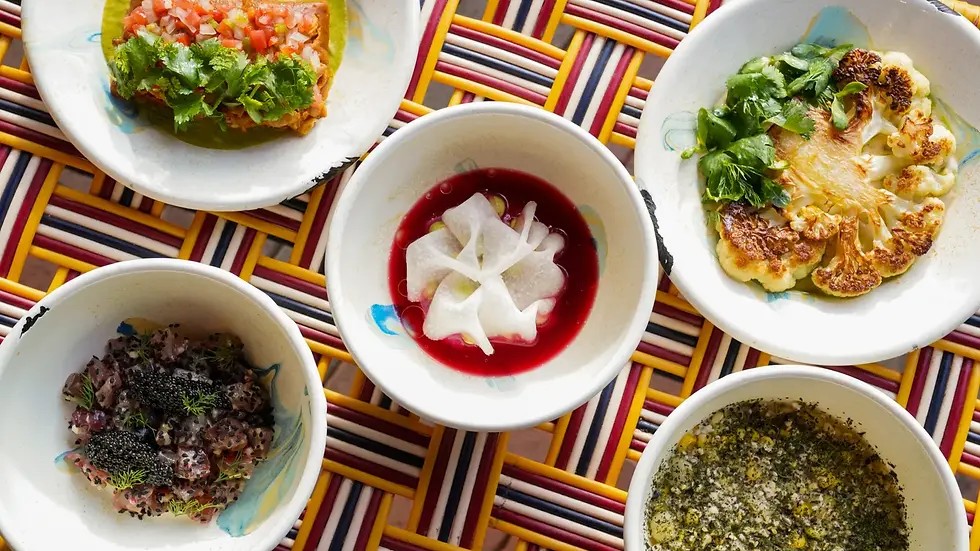
built around heritage corn, thoughtful sourcing, and traditional techniques executed with restraint.
Unlike many high-demand Miami restaurants, Los Félix resists excess. The room is understated.
The food does the talking.
For UHNW diners seeking authenticity without performance, this restaurant delivers a grounded, deeply satisfying experience.
Why it’s hard to book:A loyal following, limited seating, and a menu that prioritizes process over speed.
5. L’Atelier de Joël Robuchon Miami - Structured, Precise, and Consistently in Demand
L’Atelier de Joël Robuchon offers one of the most technically refined dining experiences in Miami.
The counter-style format creates an intimate connection between guest and kitchen, while

maintaining strict control over service flow.
For UHNW travelers accustomed to Michelin-level dining globally, this restaurant provides continuity and confidence. It is not experimental. It is exacting.
Reservations remain difficult because the experience is deliberately constrained.
Why it’s hard to book:Counter seating, global recognition, and a dining model built on precision.
Michelin Miami and the Shift Toward Substance
The arrival of Michelin Miami reshaped how the city is perceived internationally. But among seasoned diners, recognition alone does not determine where they eat.
What matters is:
Consistency over time
Ingredient sourcing and technique
The ability to deliver excellence without relying on spectacle
The restaurants above align with that shift. They are not chasing Michelin attention—they are built in a way that naturally attracts it.
For Prominato clients, Michelin Miami is a useful signal, but never the deciding factor.
When Private Dining in Miami Makes More Sense
For many UHNW individuals, the challenge isn’t finding great food—it’s navigating access, noise, and unpredictability.
That’s why private dining in Miami is increasingly part of the conversation.
Working with private chefs in Miami allows for:
Complete control over timing and environment
Personalized menus aligned with wellness or travel demands
Discretion that public dining rooms cannot offer
Consistency during extended stays
Rather than competing for reservations, private dining reframes the experience entirely.
For Prominato clients, this often becomes the preferred option during peak seasons, major events, or periods when privacy matters most.
Hardest Tables Aren’t Always the Best Experience
Miami’s dining evolution has created a clear divide.
On one side are restaurants engineered for visibility. On the other are those built for longevity, precision, and trust.
The hardest tables in Miami today belong to the latter.
Whether dining publicly at one of the city’s most sought-after restaurants or choosing a private chef in Miami, the common thread is intention. The best experiences are rarely the loudest—they are the ones designed to work quietly, every time.
And those are the ones worth seeking out.


Comments